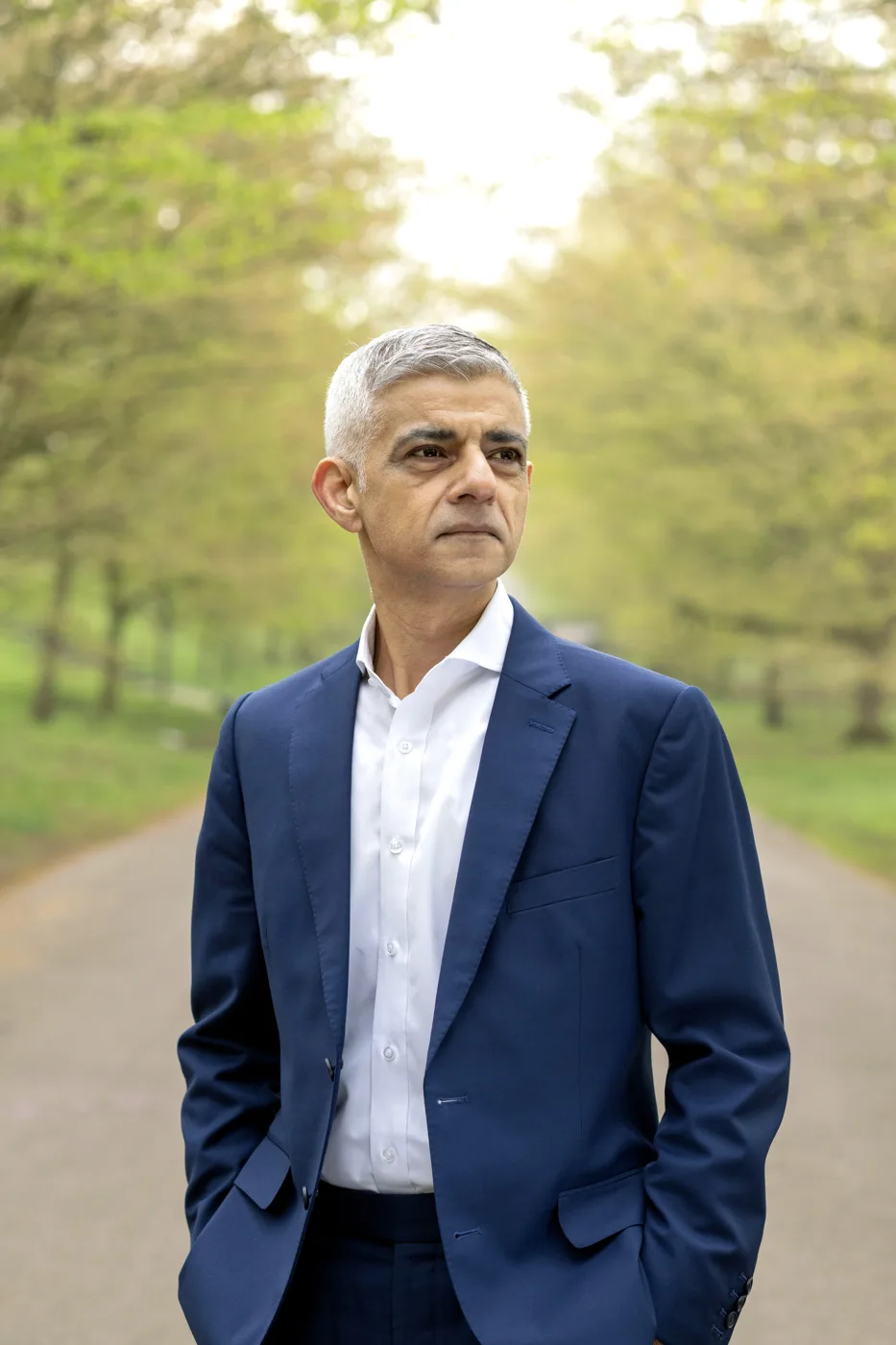

A YouGov poll for City Hall found 65% of Londoners say there is a lot or a fair amount of climate disinformation on social media. Sadiq Khan takes it to COP31.
Almost two-thirds of Londoners, 65 per cent, believe there is “a lot” or “a fair amount” of climate disinformation on social media, according to a YouGov poll for City Hall published on Thursday 12 November. The Mayor of London, Sadiq Khan, is using the figure to call on world leaders at COP31 to act against misleading claims about climate change.
YouGov surveyed 1,128 London residents aged 18 and over between 16 and 25 October 2026, weighting the answers to represent all London adults. Readers in Crouch End, Hornsey and the rest of Haringey were part of the population the poll sampled.
The first Mayor of London on the COP main stage
Sadiq Khan is representing London at COP31, the United Nations climate conference in Antalya, Türkiye. City Hall says he will be the first Mayor of London to speak at the World Leaders’ Summit at a COP, addressing world leaders from the main stage, a slot usually kept for heads of state and government leaders.
His message is that falsehoods about the climate spread online damage public trust, undermine democratic debate and risk delaying action that can improve health, create jobs and protect the environment. He is expected to call disinformation “a one-two punch to the planet and democracy”.
“Climate disinformation is like a one-two punch to the planet and democracy,” he is expected to say. “But here in Türkiye, we’re calling on the world to get its guard up to defend itself and mount a comeback, to deal a knockout blow to the dark forces distorting debate.”
The ULEZ fight he will cite
The Mayor will point to the Ultra Low Emission Zone, which City Hall describes as the world’s largest clean air zone, as London’s own experience of a disinformation campaign.
“While we act on the scientific consensus, the climate deniers and delayers are playing dirty with one last trick up their sleeve: climate disinformation,” he is expected to say. “London is no stranger to lies. When we expanded our clean air zone, now the largest in the world in 2023, we faced one of the most sophisticated disinformation campaigns ever seen. We overcame it and won. But evidence from all five continents shows London was just the canary in the coal mine.”
The evidence City Hall cites for that is a 2023 investigation by the social media analysts Valent Projects. It identified around 3,700 apparently inauthentic accounts that amplified posts on X, then called Twitter, opposing the 2023 expansion of the zone. Valent estimated the operation cost at least £168,000 on X alone, based on the price of buying followers and automation software. The investigation did not establish who was behind it.
What cleaner air has done for children’s lungs
The Mayor will also hold up independent research as an example of why political leaders should stand behind the evidence. The Children’s Health in London and Luton (CHILL) study, led by Queen Mary University of London, funded by the National Institute for Health and Care Research and published in The Lancet Public Health, followed more than 3,400 primary school children in central London and Luton over five years after the ULEZ was introduced in central London in 2019.
Over that period, the share of children with clinically impaired lung function fell from 14 to 9 per cent in the London group, against a fall from 9 to 7 per cent in Luton, the comparison town. The researchers linked cleaner air after the ULEZ to faster lung growth in children.
A separate assessment of the zone and its expansions, cited by City Hall, estimates that roadside nitrogen dioxide in central London is 54 per cent lower than it would have been without the ULEZ. Crouch End readers have had their own reminders of the air this autumn: forecasters warned of high pollution levels on 10 November.
The rest of City Hall’s figures
City Hall published these alongside the poll:
- Buses: London’s zero-emission bus fleet has grown to more than 3,000 vehicles since Sadiq Khan was elected.
- Trees and parks: Mayoral funding has paid for more than 640,000 trees and the creation or improvement of 900 hectares of green space.
- New buildings: London Plan policies saved 193,700 tonnes of CO2 from new buildings between 2021 and 2025, which City Hall says equals 164,000 return flights from London to New York.
- Green economy: in 2023-24 London’s low-carbon and environmental goods and services businesses had £54.9 billion in sales, with more than 20,000 businesses employing over 341,000 people, according to the London Low Carbon Market Snapshot 2025.
“We often talk about climate action as if it were a question of sacrifice,” the Mayor is expected to say. “But look at what we’ve delivered: health, happiness, and opportunity, not in some distant decade but right now.”
As elected co-chair of the C40 network of global cities, he will urge leaders to work with cities to challenge climate disinformation. “It’s time to resist the attacks and stand up for the facts, with a relentless focus on unlocking the finance and expertise we need to fund climate action and adaptation around the world,” he is expected to say. “London and other great cities around the world are showing we can overcome this challenge, we can win this fight and we can create a fairer, greener, healthier and more prosperous planet for everyone.”
The speech follows City Hall’s estimate, released a day earlier, that this summer’s heatwaves cost London about £2.5 billion (our report). Community groups in Haringey can still bid for up to £50,000 from the council’s Community Carbon Fund until 29 November.
The poll results and figures come from a Mayor of London press release issued on 12 November 2026.
Have your say